
Bathroom Safety Doesn’t Have to Be Ugly
For many caregivers, the bathroom is one of the first places they begin thinking about safety.
And for good reason.
Bathrooms combine water, smooth surfaces, tight spaces, and frequent movement—all factors that can increase the risk of slips and falls.
Yet many families delay making changes for one simple reason.
They don’t want the bathroom to look like a hospital.

Preventing Falls Starts Long Before Someone Falls
When people think about fall prevention, they often imagine making changes after someone falls.
Installing grab bars.
Buying a walker.
Removing rugs.
Scheduling physical therapy.
Those are all important steps.

Why Your Parent May Refuse Help (Even When They Need It)
You’ve offered to help.
You’ve explained why it would make things easier.
You’ve reassured them that you don’t mind.
And yet, they still say…

The Hidden Fears Many Older Adults Never Say Out Loud
As caregivers, we spend a lot of time asking practical questions.
Did you take your medication?
How are you feeling today?
Do you need anything from the store?
What time is your appointment?
These are important questions.
But…
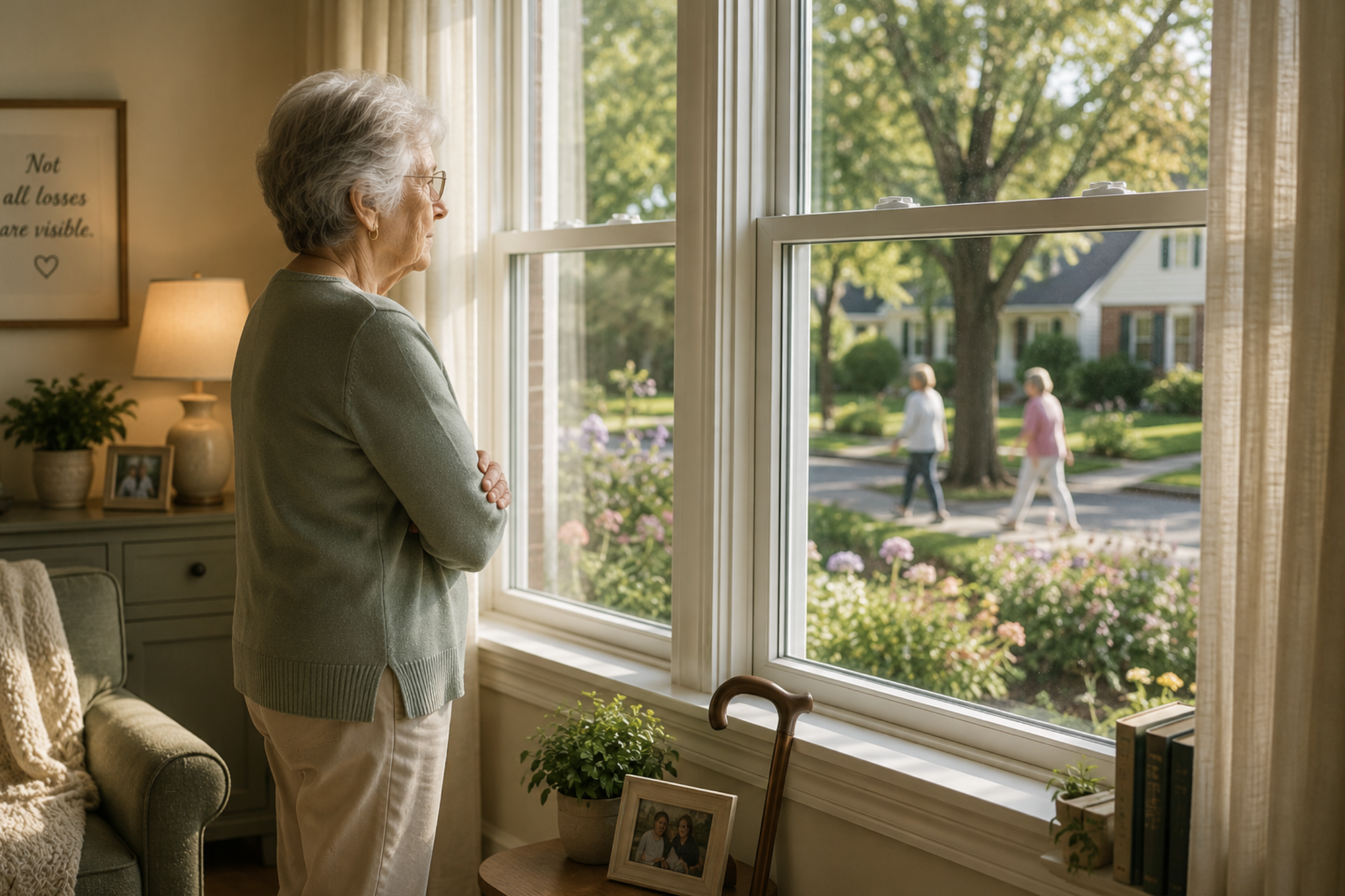
Your Parent Is Losing More Than Their Mobility
When we think about aging, we often think about physical changes.
Walking becomes slower.
Stairs become more difficult.
Balance isn’t what it once was.
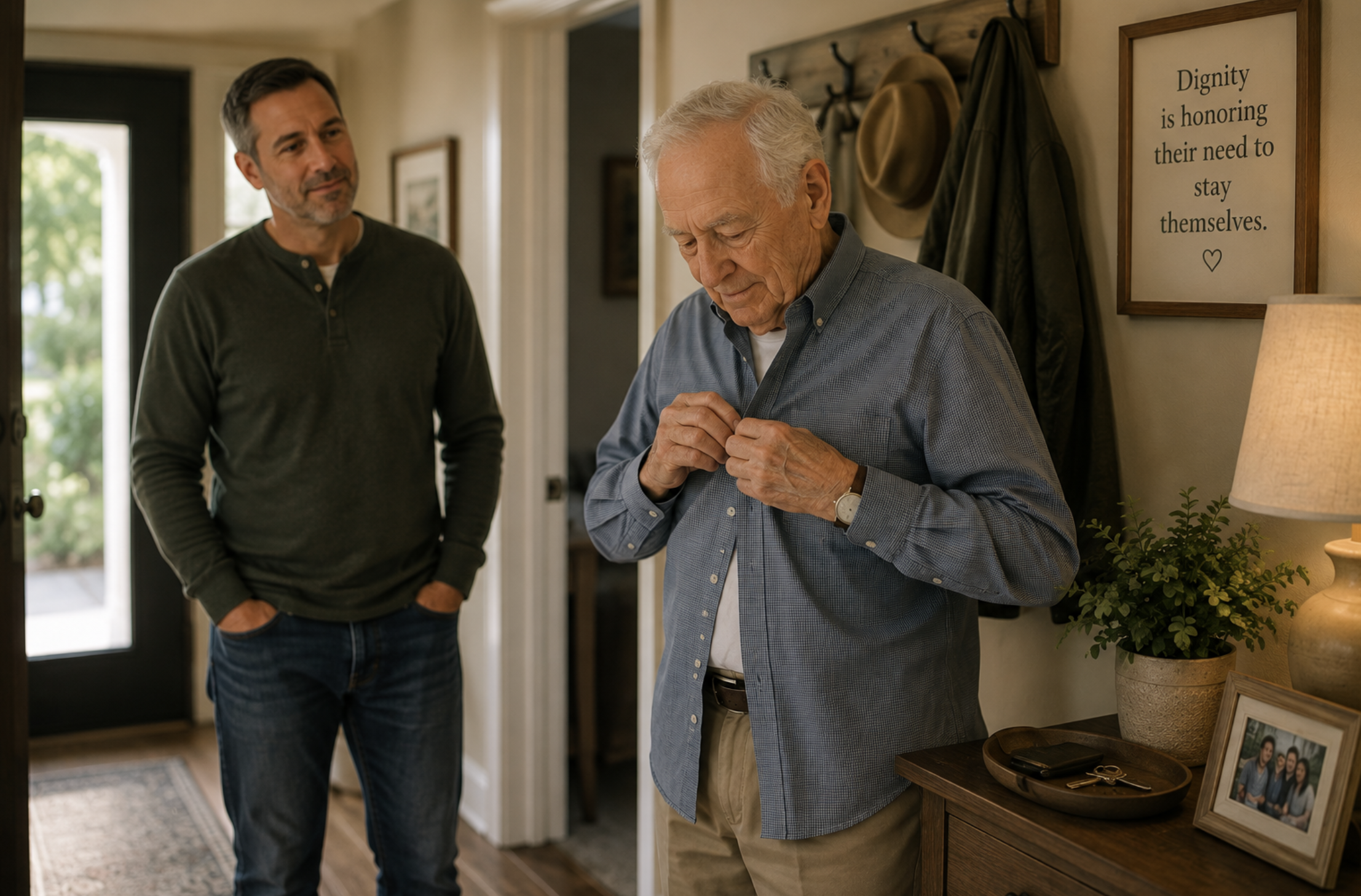
Preserving Dignity Matters More Than Efficiency
Caregiving often feels like a race against the clock.
There’s another appointment to get to.
Another prescription to pick up.
Another phone call to return.

The Fine Line Between Helping and Taking Over
One of the hardest parts of caring for an aging parent isn’t knowing how to help.
It’s knowing when to help.

There Is No Perfect Way to Care for Someone You Love
If you’ve ever lain awake replaying a conversation…
Wondered if you should have called the doctor sooner…
Questioned a decision you made…
Or wished you had handled a difficult day differently…
You’re not alone.
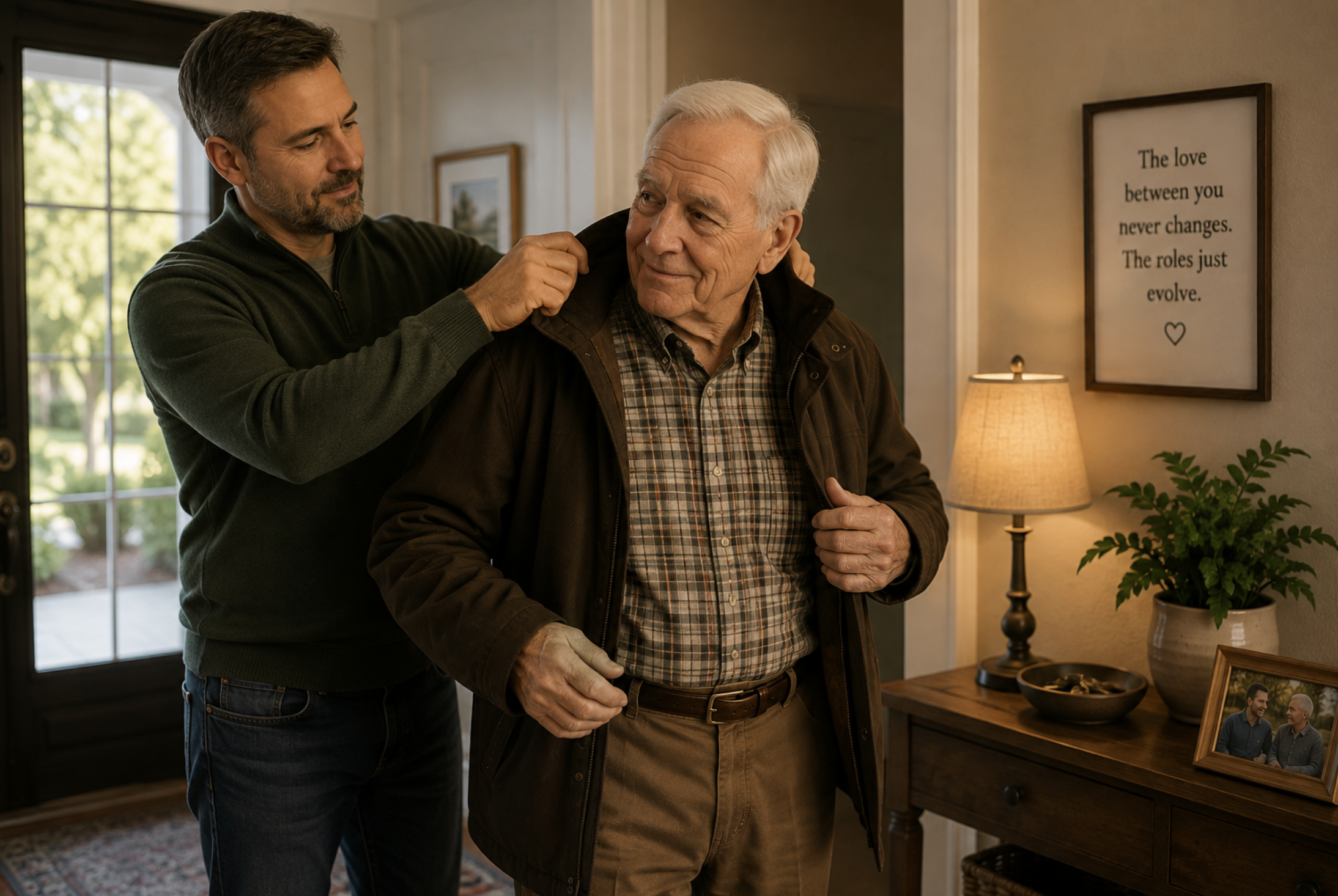
The Day You Realize You’re Becoming the Parent
It often happens in an ordinary moment.
You remind your dad to take his medication.
You tell your mom not to forget her walker.
You ask if they’ve had enough water today.
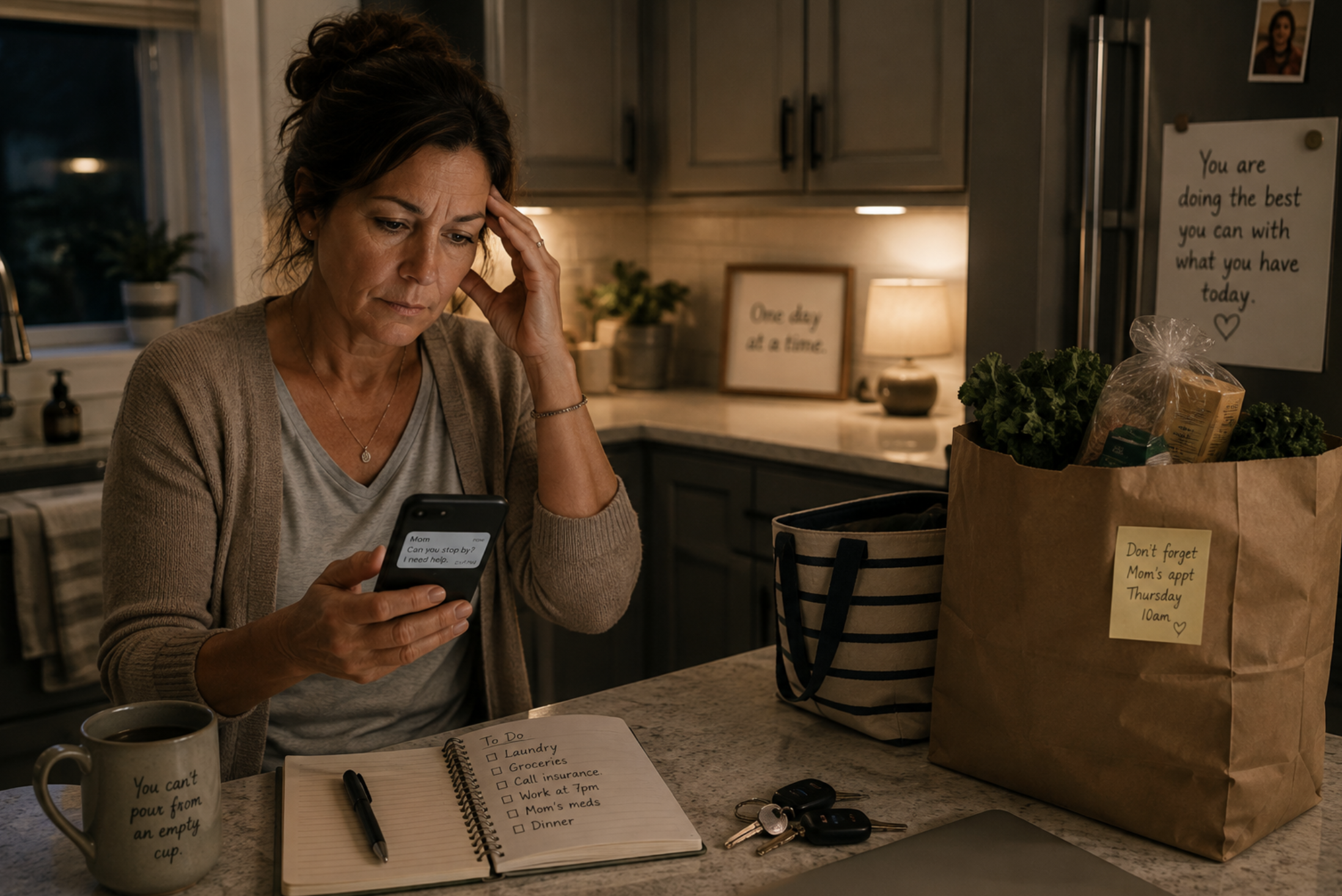
Caregiver Guilt Comes in Many Forms
If you’ve been a caregiver for any length of time, you’ve probably felt it.
That quiet voice that whispers…
“I should have done more.”
“I should have noticed sooner.”
“I should be more patient.”

When Your World Slowly Becomes Smaller
It rarely happens all at once.
There isn’t a single day when you wake up and realize your world has changed.
Instead, it happens quietly.

The Loneliness No One Talks About in Caregiving
Loneliness isn’t always about being alone.
Sometimes it’s sitting in a crowded waiting room surrounded by people and feeling like no one understands what you’re carrying.
Sometimes it’s scrolling through photos of friends on vacation while you’re comparing medication prices or scheduling another doctor’s appointment.
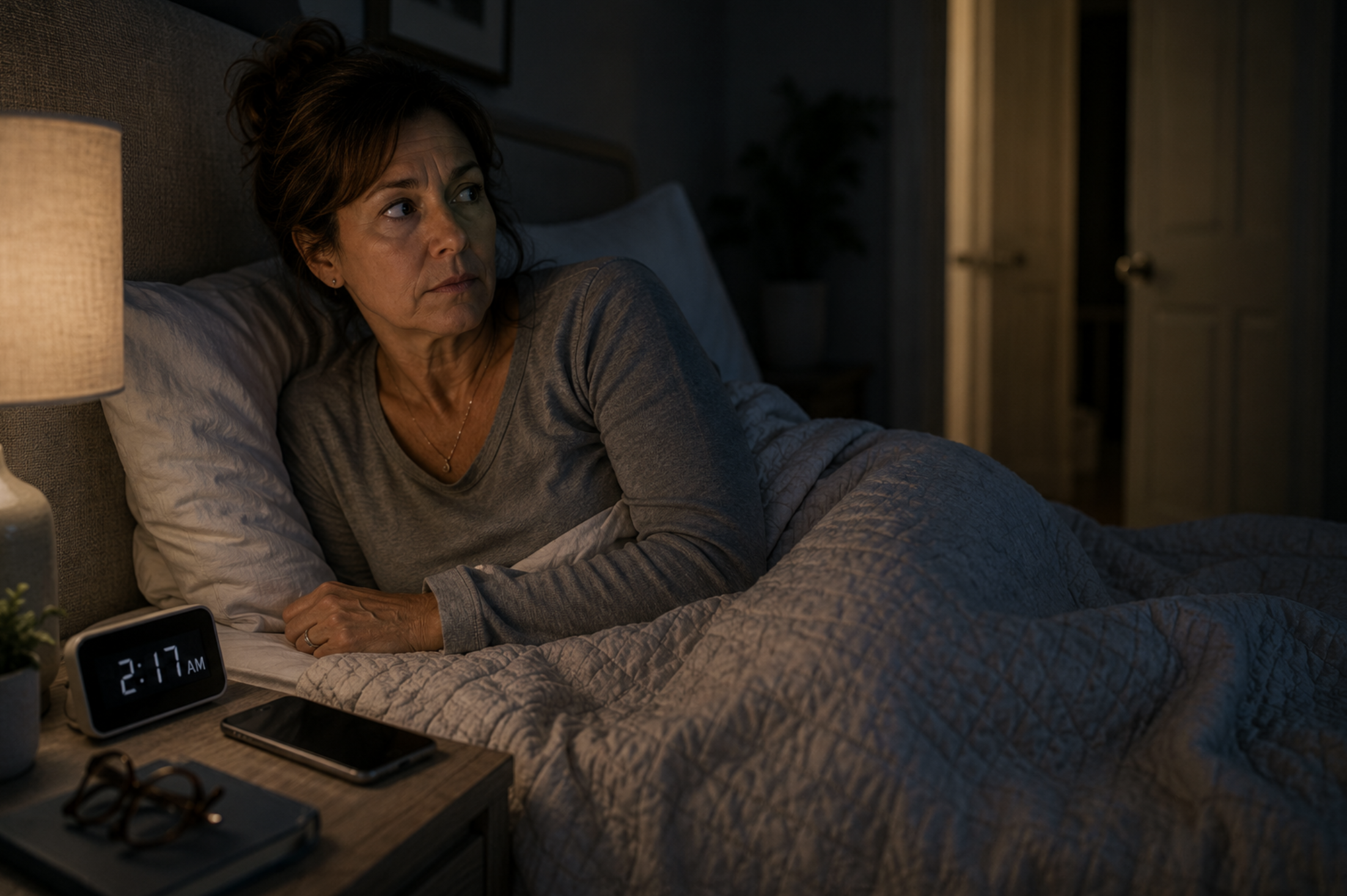
Hypervigilance: Why Caregivers Struggle to Relax
Have you ever noticed that even when everything is quiet, you can’t quite relax?
Your parent is asleep.
The dishes are done.
There are no appointments today.
Nothing seems urgent.
And yet…
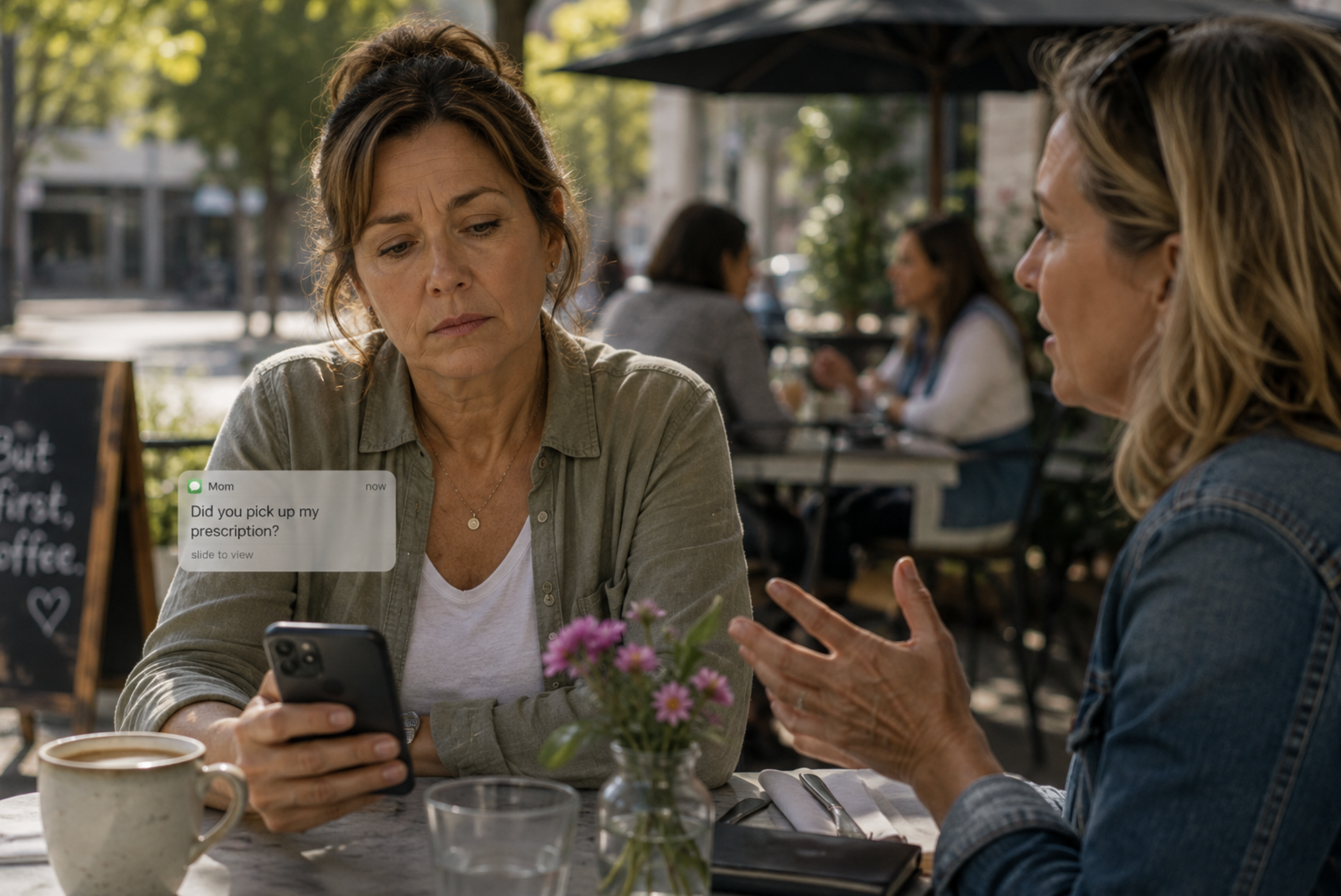
When You Feel Like You’re Always “On”
There are days when caregiving feels like a full-time job.
And then there are the moments when you realize it never really ends.
You may be sitting down to dinner, but you’re wondering if your parent remembered to take their evening medication.

The Invisible Mental Load of Being a Caregiver
When most people think about caregiving, they picture the visible tasks.
Driving to doctor’s appointments.
Preparing meals.
Picking up prescriptions.
Helping with household chores.
Those responsibilities are certainly part of caregiving
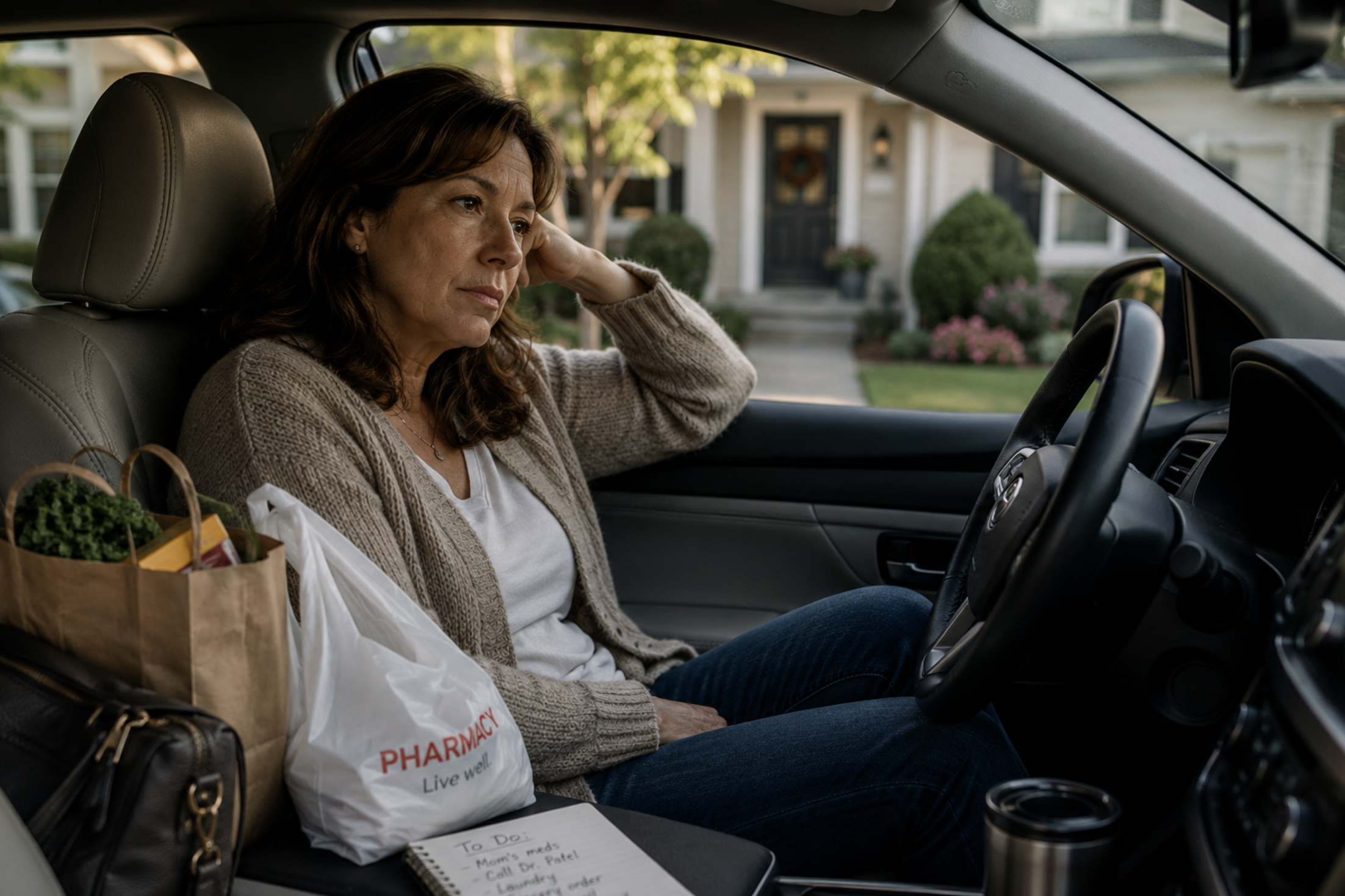
Loving Your Parent and Resenting Caregiving Can Both Be True
There are moments in caregiving that are filled with tenderness.
Helping your mom choose flowers for the patio.
Laughing over old family stories.
Sharing coffee at the kitchen table.
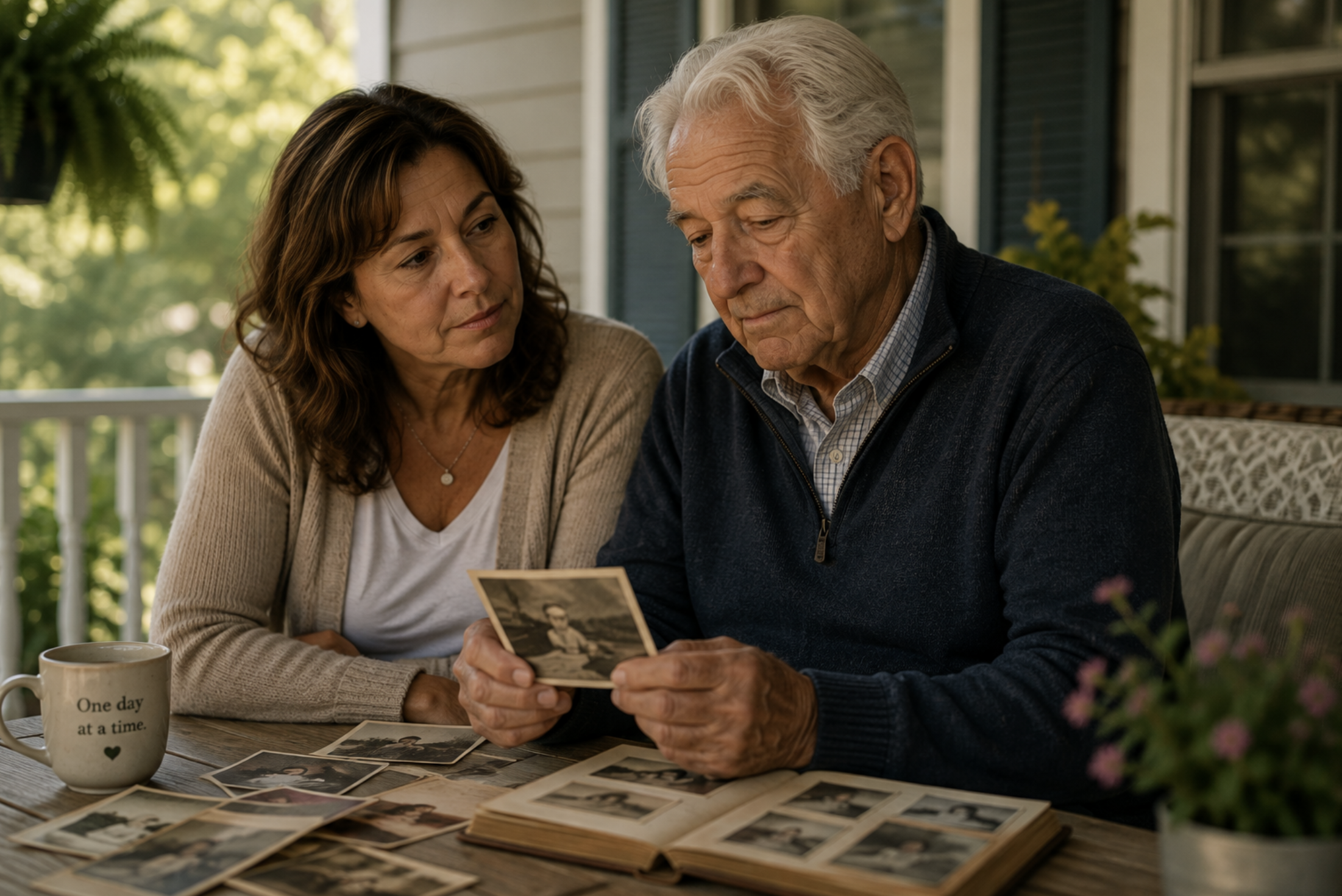
Anticipatory Grief: Mourning Someone Who Is Still Here
One of the most confusing parts of caregiving is discovering that grief doesn’t always begin after someone dies.
Sometimes it begins years earlier.
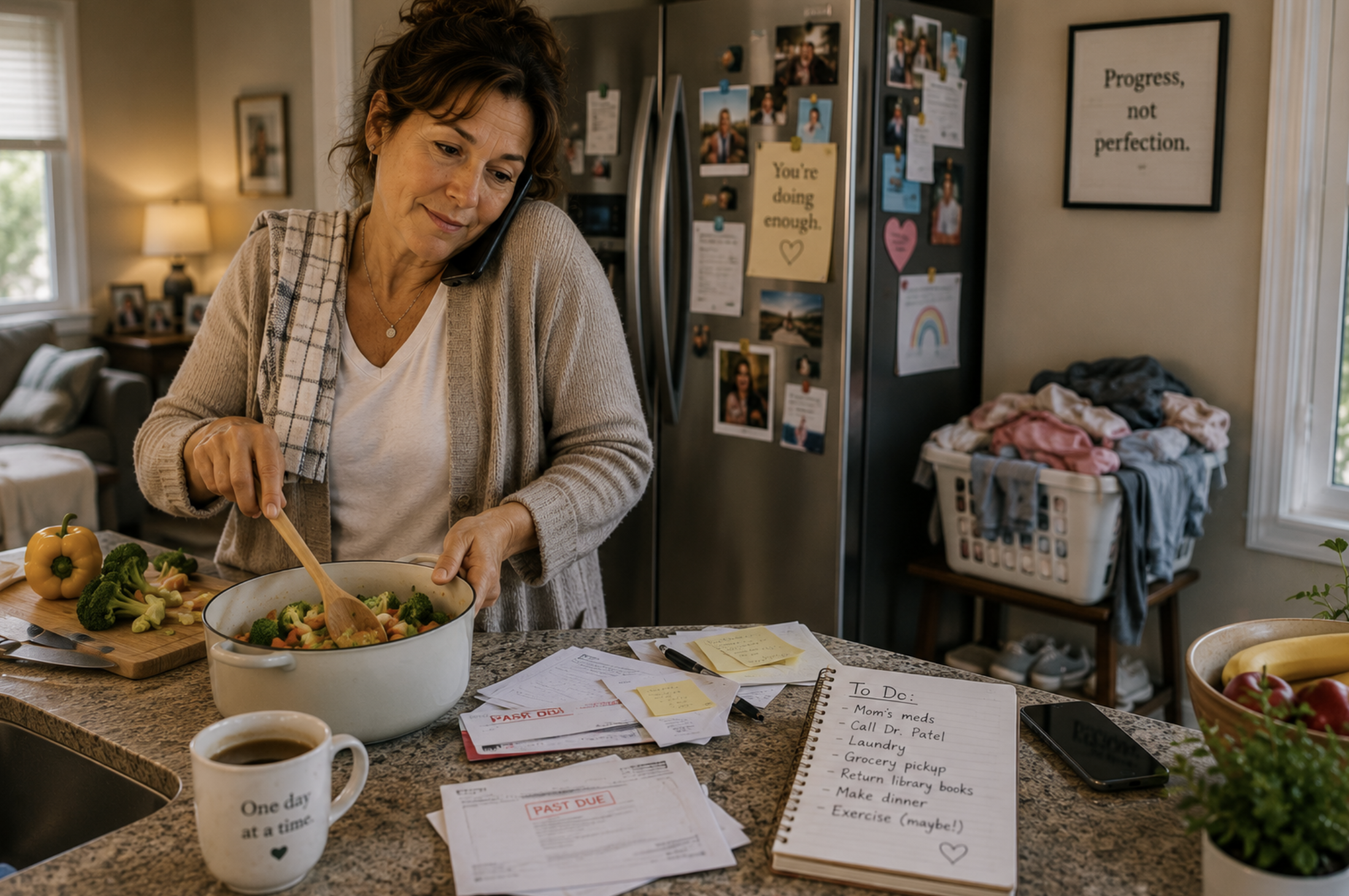
There Is No Perfect Way to Be a Caregiver
One of the hardest parts of caregiving isn’t the appointments.
It’s not the paperwork.
It’s not even the endless to-do list.
It’s the feeling that you’re somehow getting it wrong.
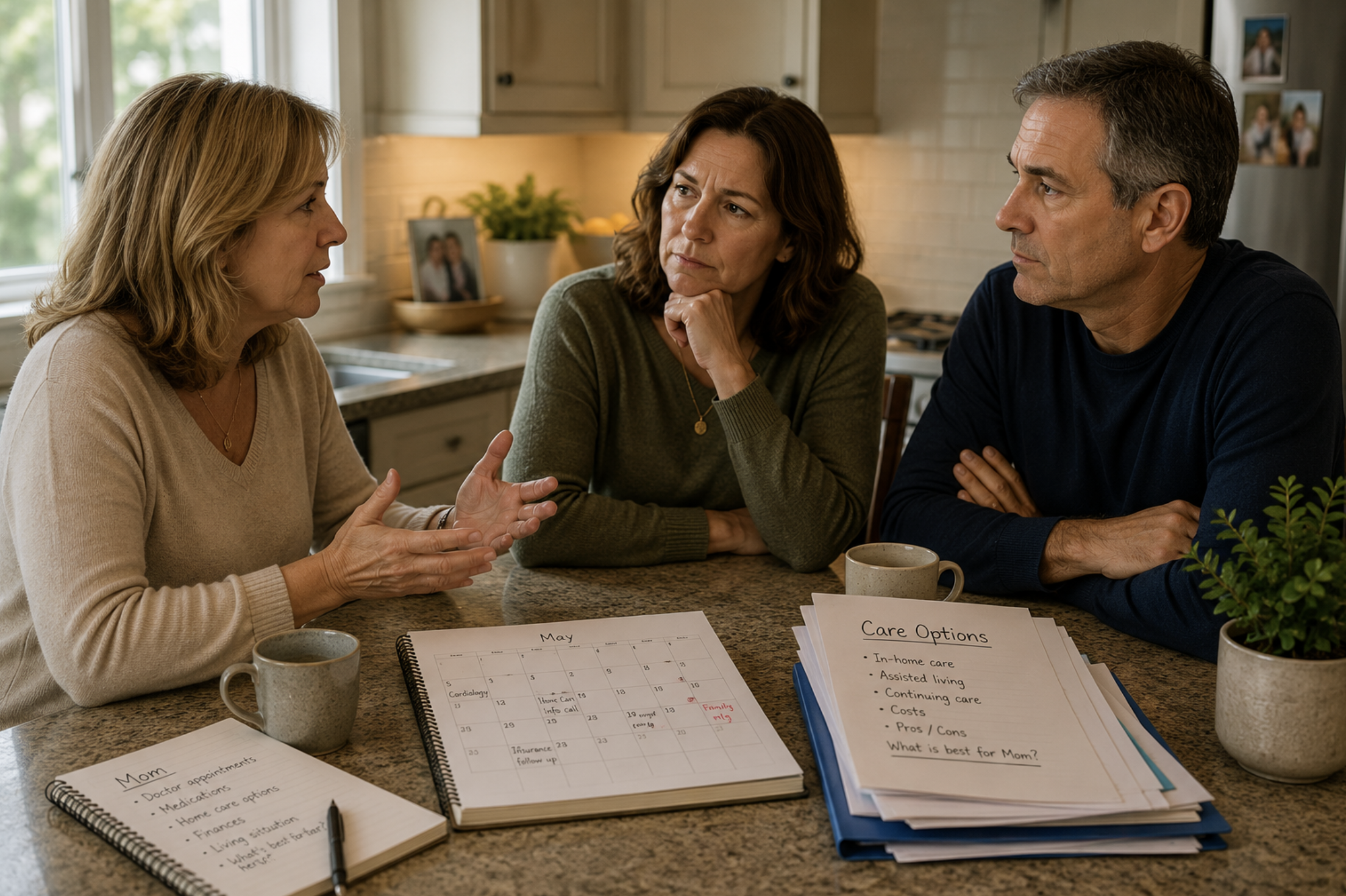
When Siblings Disagree About Caregiving Decisions
One of the hardest parts of caregiving isn’t always the caregiving itself.
Sometimes it’s the family dynamics that come with it.
When a parent begins needing more help, siblings often find themselves navigating unfamiliar territory. Decisions that once felt straightforward suddenly become emotional, complicated, and deeply personal.

Caregiving Is Often Administrative Work Disguised as Love
When most people think about caregiving, they picture helping someone with daily tasks.
They think about rides to appointments.
Preparing meals.
Helping after a surgery.
But there is another side of caregiving that doesn’t get talked about nearly enough.